Regenerative agriculture is not a set of practices — it is a way of observing and responding to your land. Most farmers who come to us have been doing it longer than they realise. The difference is intention: a regenerative farmer actively designs for the land to become healthier over time, not just productive in the next season.
This guide is for anyone starting from scratch — whether you have just bought land, inherited a farm, or are planning a transition from conventional agriculture.
Start with the Soil
Before you plant anything, understand your soil. A basic soil test (available through ICAR or private labs for ₹500–2,000) will give you pH, organic matter content, and major nutrient levels. Do not skip this step. Knowing your starting point shapes everything that comes after.
The single most important number is organic matter. In most degraded Indian agricultural soils, this sits below 0.5%. Your goal over five years is to get it above 2%. Every technique in regenerative farming — composting, green manures, mulching, cover crops — is in service of this number.
Water First, Always
In Indian climates — particularly semi-arid and dryland regions — water is the constraint that determines everything else. Before you spend money on trees, inputs, or infrastructure, invest in understanding how water moves across your land.
Walk your land during and just after monsoon rains. Watch where water pools, where it flows fast, where the soil stays wet longest. This observation is the beginning of keyline design — a method developed by P.A. Yeomans that uses the topographic structure of the land to maximise water retention.
The simplest interventions are swales (level trenches on contour) and check dams on natural drainage lines. Done right, these can double or triple the amount of monsoon water you retain on-site — reducing dependence on bore wells and making the dry season dramatically more manageable.
Resist the Urge to Plant Too Early
One of the most common mistakes we see on new regenerative farms is rushing to plant food trees before the soil, water, and support systems are ready. Food trees planted in bad soil, without water, and without nurse plants to shelter them tend to fail — and that failure demoralises farmers at exactly the wrong moment.
Spend your first year on:
- Soil building (compost, green manures, mulch)
- Water infrastructure (swales, ponds, check dams)
- Establishing nitrogen-fixing pioneer plants
Only in year two — once the soil is beginning to come alive — start planting your food forest canopy.
Plant Diversity Over Monoculture
A regenerative farm mimics a natural ecosystem. Natural ecosystems are diverse — dozens or hundreds of species occupying different niches, supporting each other in ways that are often invisible until they are removed.
Start with a core palette of multi-purpose trees and plants:
- Nitrogen fixers: Sesbania, Leucaena, Pigeon pea, Moringa, Gliricidia
- Dynamic accumulators: Comfrey, Vetiver, Lemongrass
- Food canopy: Species appropriate to your climate — mango, jackfruit, jamun, tamarind in hot regions; pear, walnut, persimmon in cooler Himalayan zones
- Ground covers: Sweet potato, pumpkin, cowpea — anything that covers bare soil quickly
Bare soil is the enemy. It bakes, it erodes, it loses moisture, and it loses biology. Cover the ground at all costs.
The Five-Year View
Regenerative farming rewards patience and punishes impatience. The practices that build long-term soil health often show no visible results for the first year or two. This is where many farmers give up and revert to conventional inputs.
Build your five-year plan before you start. Know what year one looks like (earthworks and soil building), year two (pioneer planting and food forest establishment), year three (first harvests, expanding market garden), years four and five (food forest maturing, expanding what works).
If you would like help building that plan with your specific land in mind, our 5-day workshop is the most intensive way to get there — or start with a Remote Farm Audit if you are not able to travel.
The Most Important Principle
Observe more than you intervene. The land has a logic that predates your ownership of it. Before every action, ask: is this helping the land become more itself, or less?
Regenerative agriculture does not have a formula. It has a direction.
More Reading
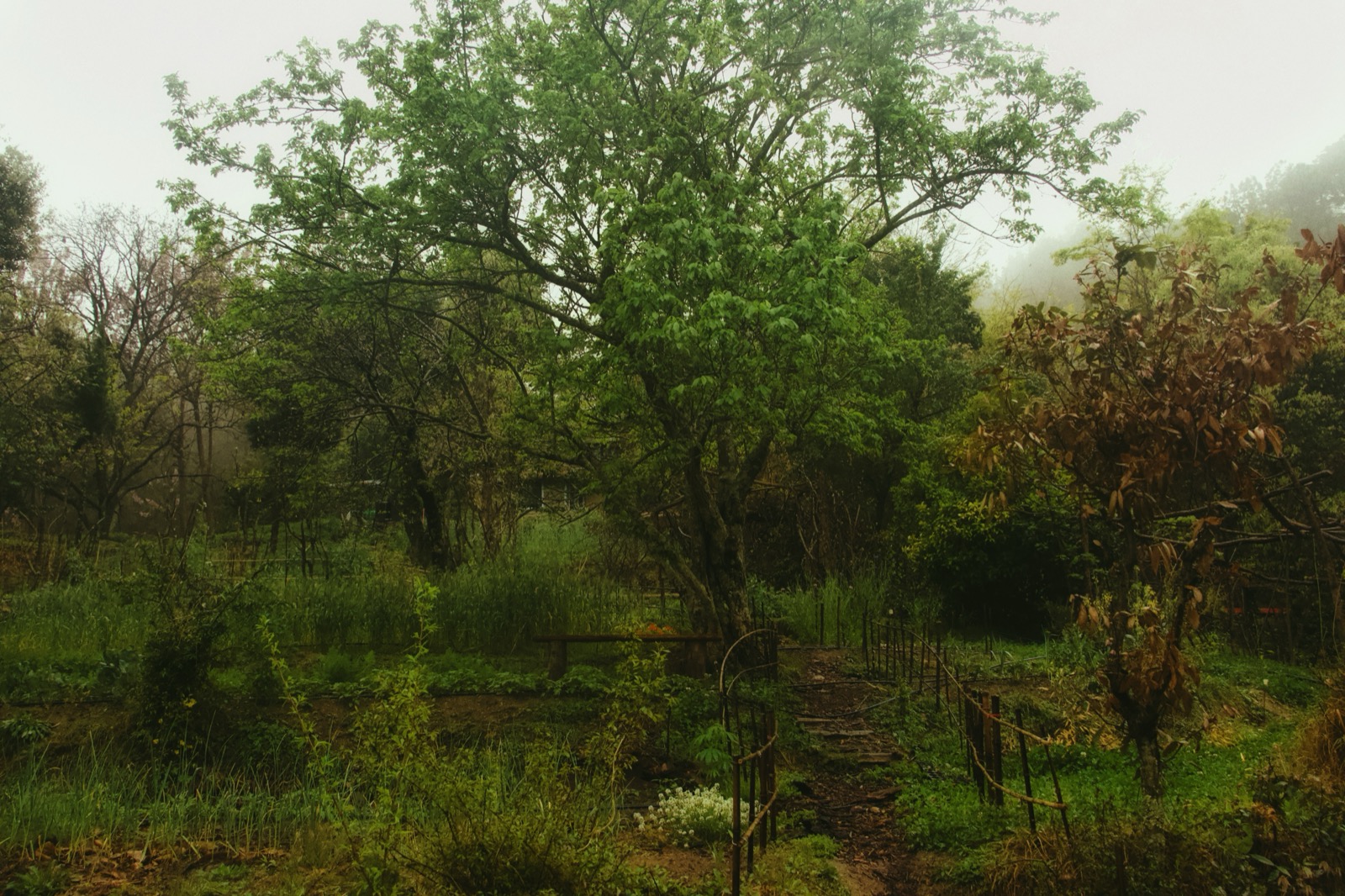
Food Forest Design for Beginners in India: Where to Start
A beginner's guide to food forest design for Indian conditions — what a food forest actually is, how to start one, and the most common mistakes to avoid in your first year.
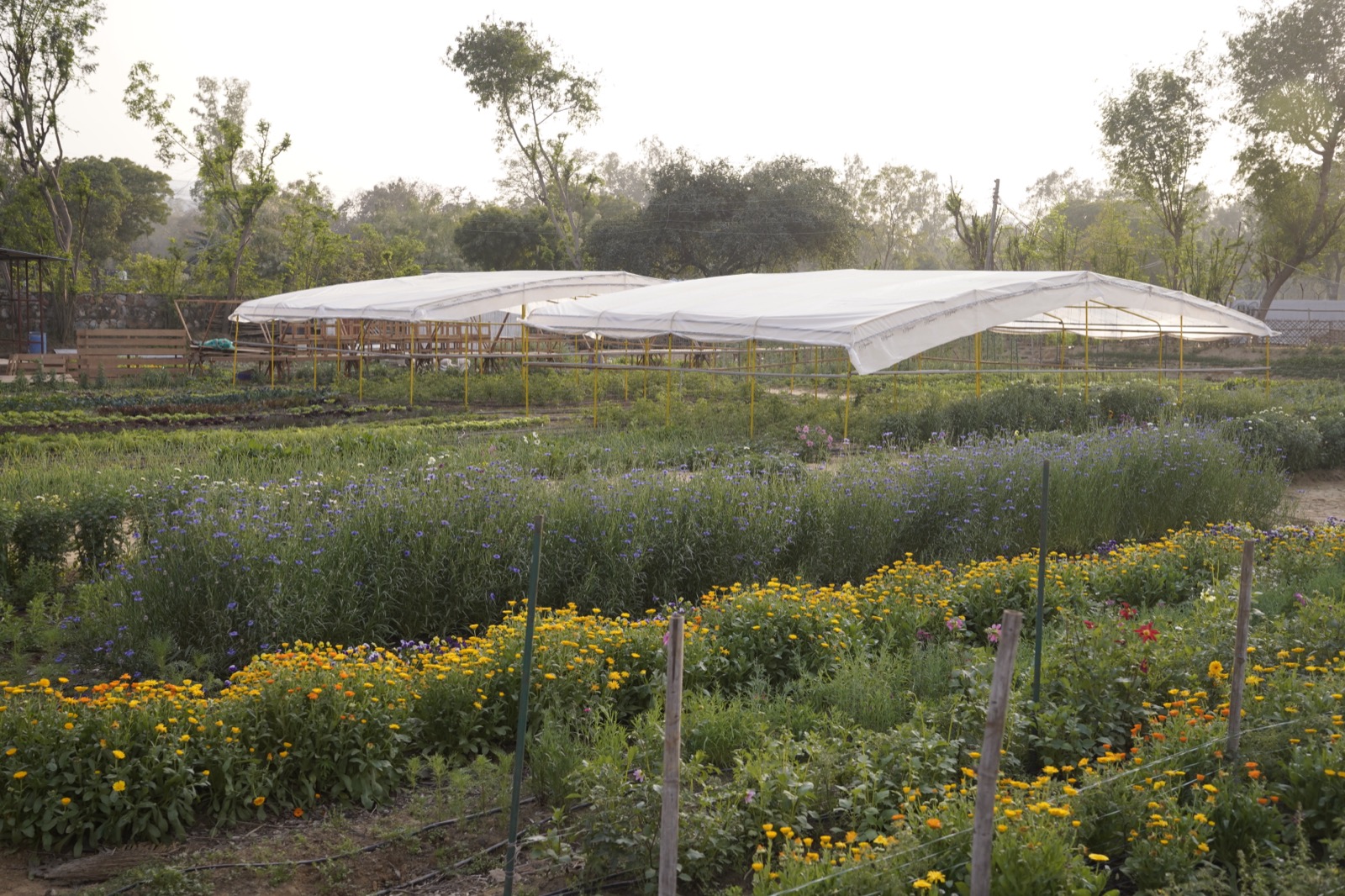
How to Set Up a Market Garden in India: A Practical Step-by-Step Guide
A practical, step-by-step guide to setting up a profitable market garden in India — from site selection and bed design to crop planning and finding your first buyers.
Want to put this into practice?
The workshop is five days of hands-on learning on a working Himalayan farm.