A food forest is a designed growing system that mimics the structure of a natural forest, using edible and useful plants in every layer — from tall canopy trees down to ground-covering herbs and root crops. Unlike a vegetable garden, which demands constant replanting, irrigation, and fertilising, a well-established food forest becomes more productive with less effort over time.
If you have land in India — whether it is a quarter-acre kitchen garden or a 10-acre farm — a food forest is one of the most rewarding, resilient, and ecologically regenerative things you can create. This guide will help you begin.
What Makes a Food Forest Different
Most people who visit a food forest for the first time are struck by how untidy it looks compared to conventional farmland. There are no straight rows, no uniform crops, no clear sight lines across bare soil. Instead, there is density, texture, and a sense of aliveness — birds, insects, climbing vines, low herbs, fruit trees of different heights all occupying the same space.
This density is the point. A food forest works because each plant supports its neighbours:
- Nitrogen-fixing trees enrich the soil for fruit trees around them
- Deep-rooted herbs bring minerals up from subsoil and deposit them as leaf litter
- Ground covers protect soil biology from heat and desiccation
- Insectary plants attract beneficial insects that manage pests naturally
The result, after three to five years, is a growing system that largely feeds and maintains itself — requiring only harvesting, occasional pruning, and thoughtful observation.
The Seven Layers: A Simple Framework
Every food forest, in every climate, can be understood through its vertical layers:
- Canopy — the tallest trees, which set the microclimate: mango, jackfruit, tamarind, coconut, walnut (in cooler zones)
- Sub-canopy — medium trees that grow beneath the canopy's edge: lemon, guava, moringa, drumstick, pomelo
- Shrub layer — woody shrubs, often medicinal or fruiting: amla, curry leaf, pomegranate, rose, hibiscus
- Herbaceous layer — perennial plants that die back seasonally: turmeric, ginger, banana (technically a herb), lemongrass, comfrey, vetiver
- Ground cover — low-growing plants that protect soil: sweet potato, pumpkin, nasturtium, clover
- Root layer — underground crops harvested without disturbing the system: yam, arrowroot, ginger, taro
- Vertical layer — climbing and vining plants using trees as support: passionfrui, yam bean, bitter gourd, pepper
When you design a food forest, you are filling these seven layers with the most useful, locally adapted species for your climate.
Start Here: The Beginner's Sequence
The most common reason beginner food forests fail is planting in the wrong order. Here is the sequence that works:
Year 0: Observe Before You Act
Spend at least one full season — ideally one full year — observing your land before you plant anything permanent. Walk it during rain. Notice where water collects and where it runs off. Find the spots that stay wet and the spots that dry out fast. Note the direction of prevailing wind. Watch where animals move.
This observation maps your land's natural patterns, and your food forest design should follow those patterns rather than fight them.
Year 1: Build the Foundation
Before any food trees go in, address two things:
Soil: Most Indian agricultural land is degraded — compacted, low in organic matter, biologically depleted. Plant a pioneer layer of fast-growing nitrogen fixers and biomass plants: Sesbania, cowpea, sunhemp, Tithonia, moringa. Cut and mulch these heavily twice. By the end of year one, soil biology will have begun to recover.
Water: Design and build your water infrastructure — swales on contour, check dams, a small farm pond if the site allows. Water harvesting in year one means that every tree you plant in year two has a moisture reservoir to draw from in the dry season.
Year 2: Plant the Canopy and Sub-Canopy
Now your soil is alive and your water is retained. This is the time to plant your permanent trees — the canopy and sub-canopy species that will be there for decades.
Plant in guilds — groups of plants centred on one fruit tree, surrounded by supporting species. A simple guild for the hot plains might look like:
- Centre: mango or jamun
- Support: 2 pigeon pea plants (nitrogen fixers)
- Support: 1 moringa (nutrient accumulator, also edible)
- Ground cover: sweet potato covering the bare soil between plants
Year 3 Onwards: Fill in the Layers
As canopy trees grow and define microclimates, fill in the remaining layers — shrubs, herbs, ground covers, climbers. The system is now guiding you: the shadier spots under the canopy call for shade-tolerant species; the sunny gaps invite climbers and light-loving herbs.
Choosing Species for Your Climate
India's climate diversity means that food forest design must be climate-specific. Here are starting points for three broad zones:
Hot plains (Punjab, Haryana, UP, Rajasthan, Madhya Pradesh): Canopy: mango, jamun, tamarind, neem, ber Sub-canopy: drumstick, pomegranate, guava, fig, amla Herbs: lemongrass, vetiver, turmeric, cowpea
Humid tropics (Kerala, Goa, coastal Karnataka, Bengal delta): Canopy: coconut, jackfruit, breadfruit, rambutan, nutmeg Sub-canopy: banana, papaya, black pepper, turmeric, drumstick Herbs: curry leaf, pandan, lemongrass, cardamom
Cool hills (Uttarakhand, Himachal, Sikkim, Meghalaya): Canopy: walnut, chestnut, pear, apricot, persimmon Sub-canopy: plum, gooseberry, sea buckthorn, hazelnut, mulberry Herbs: comfrey, lemongrass, ginger, nettle, rosemary
The Most Common Beginner Mistakes
Planting too many species at once. Begin with 15–20 species, establish them well, and observe. A food forest with 20 thriving species is far more valuable than one with 80 struggling ones.
Ignoring water in year one. Trees planted without water infrastructure in a drought-prone region will fail. Sort water before you plant.
Forgetting the ground cover. Bare soil between young trees is lost opportunity — and it is damaging. Cover every bare spot with a ground cover plant or thick mulch.
Expecting quick results. A food forest matures over three to seven years. The first two years are mostly invisible investment. Stay patient, observe closely, and the system will begin to reveal its own logic.
Your First Step
You do not need a large plot or a large budget to begin. A 10×10 metre corner of your land — three fruit trees, some pioneer plants, ground covers, and a handful of herbs — is enough to learn the fundamentals and begin building the ecology that a larger food forest will eventually require.
If you would like structured guidance on designing your own food forest from scratch, our 5-day workshop covers food forest design in depth, including two full days working in our established food forest. Or start with a Remote Farm Audit if you would like a detailed analysis of your site before you commit to a design.
More Reading
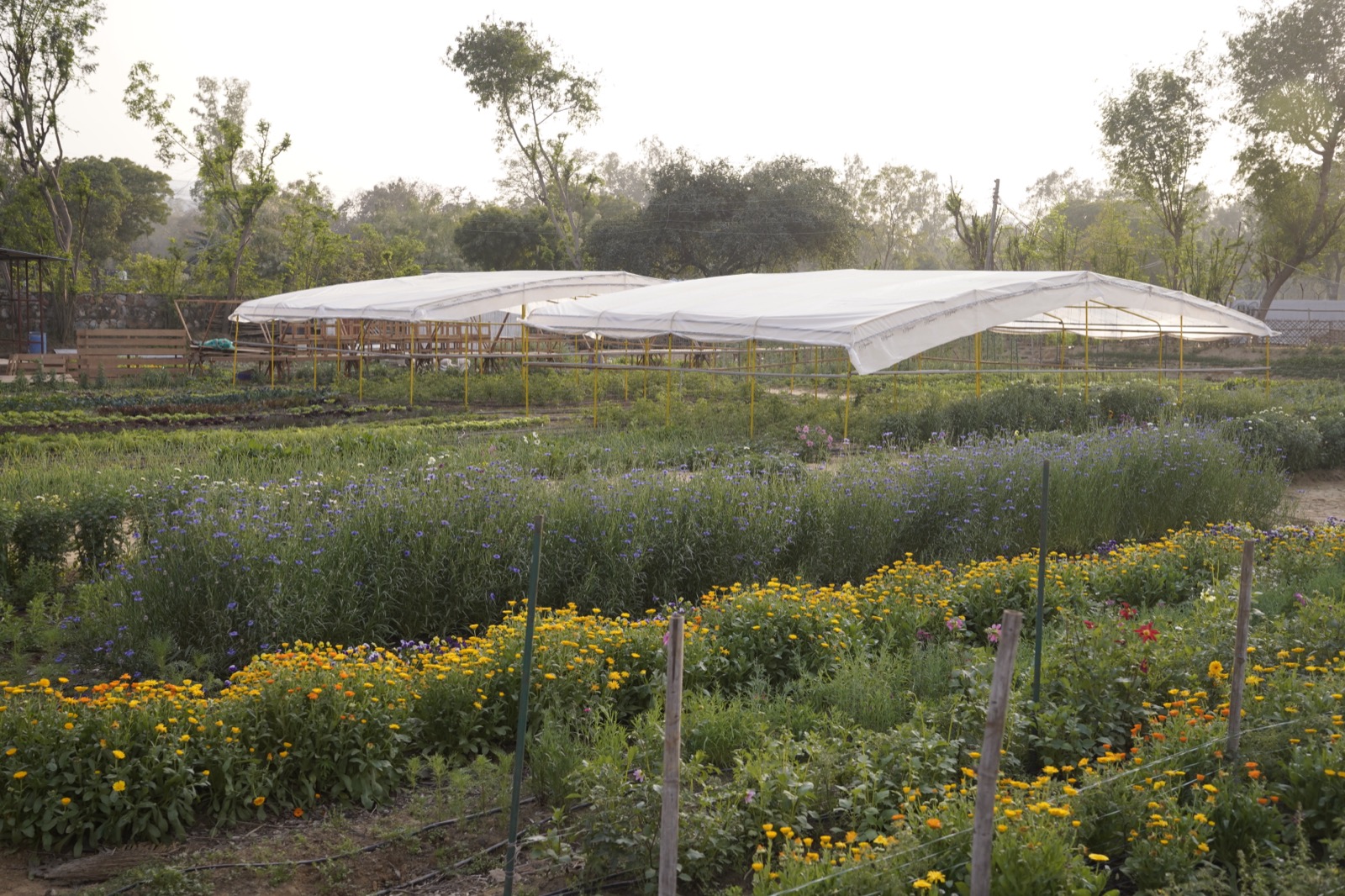
How to Set Up a Market Garden in India: A Practical Step-by-Step Guide
A practical, step-by-step guide to setting up a profitable market garden in India — from site selection and bed design to crop planning and finding your first buyers.
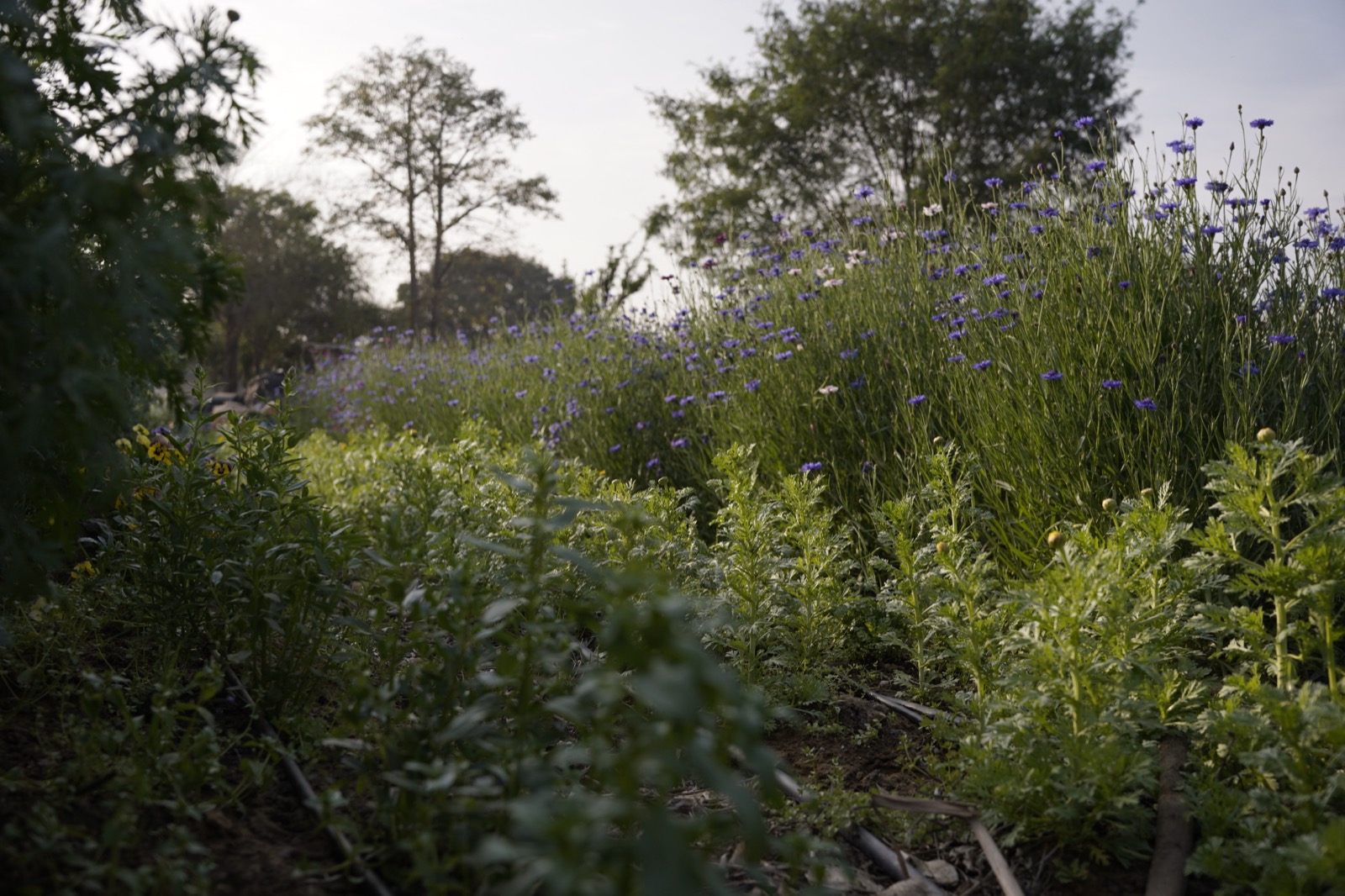
How to Start a Regenerative Farm in India
Everything you need to know about transitioning to regenerative agriculture — from soil testing to water harvesting to planting your first food forest guild.
Want to put this into practice?
The workshop is five days of hands-on learning on a working Himalayan farm.