How to Design a Food Forest in India: Species, Guilds, and Getting Started
2026-01-20 · Nishant Gill
A food forest is a designed ecosystem that mimics the structure and function of a natural forest — but produces food. It is the oldest form of agriculture in the world, and it is making a comeback not because it is fashionable, but because it works.
Unlike annual vegetable gardens, which require constant intervention to maintain productivity, a well-designed food forest becomes more productive with less work over time. The trees build their own soil through leaf litter and root activity. The diversity of species means that no single pest or disease can collapse the system. And because the canopy intercepts rain and the roots reach deep, a food forest holds water through dry seasons that would kill an annual crop.
In India — where erratic rainfall, poor soils, and heat stress are becoming more severe each year — food forests are not just a nice idea. They are a resilient food production strategy.
The Layers of a Food Forest
A natural forest has distinct vertical layers, each occupied by different types of plants. Food forest design replicates this structure using edible and useful species:
- Canopy layer — Large fruit and nut trees: mango, jackfruit, walnut, tamarind, jamun. These set the microclimate for everything below.
- Sub-canopy layer — Medium fruiting trees: lemon, pomelo, guava, moringa, drumstick. Productive, light-demanding, and usually the fastest to yield.
- Shrub layer — Fruiting shrubs, medicinal plants: gooseberry (amla), curry leaf, rose, hibiscus, pomegranate.
- Herbaceous layer — Perennial herbs and vegetables: turmeric, ginger, lemongrass, comfrey, vetiver, banana (technically a large herb).
- Ground cover layer — Low-growing plants that cover bare soil and suppress weeds: sweet potato, pumpkin, nasturtium, clover.
- Root layer — Underground crops: yam, turmeric, ginger, radish.
- Climber/vine layer — Vertical growing plants using trees as support: passionfrui, yam bean, bitter gourd, grape.
A well-designed food forest includes species in all seven layers. This is what creates the self-sustaining dynamic — each layer supports the others.
Designing with Guilds
A guild is a group of plants that support each other when grown together. It is the fundamental unit of food forest design.
A classic guild is centred on a productive tree — the fruit tree you most want to grow — surrounded by plants that support it:
- Nitrogen fixers that improve soil fertility (pigeon pea, Sesbania, alder)
- Dynamic accumulators with deep roots that bring up minerals from subsoil (comfrey, vetiver, lemongrass)
- Insectary plants that attract beneficial insects for pollination and pest control (marigold, basil, fennel)
- Mulch plants that provide biomass for soil cover (Tithonia, banana, comfrey)
- Ground covers that prevent weeds and moisture loss (sweet potato, clover, nasturtium)
When you design a food forest, you are essentially designing guilds — choosing which plants go with which trees, based on their mutual benefits.
Choosing Species for Indian Conditions
India's climate zones are radically different from each other, and food forest design must be climate-specific. Here are broad starting points for three major zones:
Hot, semi-arid (Rajasthan, parts of Maharastra, Punjab, Haryana)
- Canopy: tamarind, neem, ber, moringa, drumstick
- Sub-canopy: pomegranate, fig, date palm, guava
- Support: Sesbania, pigeon pea, Leucaena, cactus pear
Humid tropical (Kerala, coastal Karnataka, Assam, West Bengal)
- Canopy: coconut, jackfruit, mango, breadfruit, rambutan
- Sub-canopy: banana, papaya, black pepper (vine), drumstick
- Support: Gliricidia, Tithonia, vetiver
Cool montane (Uttarakhand, Himachal, Sikkim, Meghalaya highlands)
- Canopy: walnut, chestnut, pear, apricot, plum, persimmon
- Sub-canopy: gooseberry, sea buckthorn, hazelnut, mulberry
- Support: alder, tree bean, lemongrass, comfrey
The most important rule: choose species that your climate is already trying to grow. They will require the least intervention and give the best long-term results.
The Biggest Mistake in Food Forest Design
Planting too many species at once, without a nurse layer first.
A food forest needs time and soil biology to establish. If you plant 50 species into bare, degraded soil in year one, most of them will struggle. The soil does not have the biology to support them, there is no canopy to moderate temperature, and there is nothing to cover the ground and hold moisture.
Instead:
Year 1: Plant your pioneer layer first. Fast-growing nitrogen fixers and biomass plants like Sesbania, moringa, Tithonia, and pigeon pea. These will begin restoring soil biology, provide mulch material, and create shade for the more sensitive plants to come. Also establish ground covers — sweet potato, pumpkin, cowpea — to cover bare soil immediately.
Year 2: Plant your sub-canopy fruit trees, sheltered by the pioneers. The soil is now biologically active and the microclimate is more moderate.
Year 3 onwards: Gradually fill in the understory — shrubs, herbs, climbers — as the canopy grows and defines the conditions for each niche.
Getting from Design to Ground
The hardest part of food forest design is not the design itself — it is translating a plan into action on a real piece of land with real constraints of budget, labour, and time.
A few principles that help:
- Start small and get it right. A well-managed 0.1-acre food forest will teach you more than a badly managed 1-acre one.
- Observe before you plant. Walk your land in different seasons and different weather. Where does water collect? Where is it dry? Where does frost settle in winter? The answers will tell you where to put each guild.
- Buy locally adapted plants. Nursery plants grown in your district will outperform imported varieties almost every time.
- Accept that the design will change. A food forest is a living system. Your design is a hypothesis. Some things will not work. The system will tell you what it needs.
If you would like to work through a food forest design for your own land, our 5-day workshop covers food forest design in detail — with two full days on the working food forest at the Anityatva farm. Or start with a Remote Farm Audit if you need specific guidance on your land.
More Reading
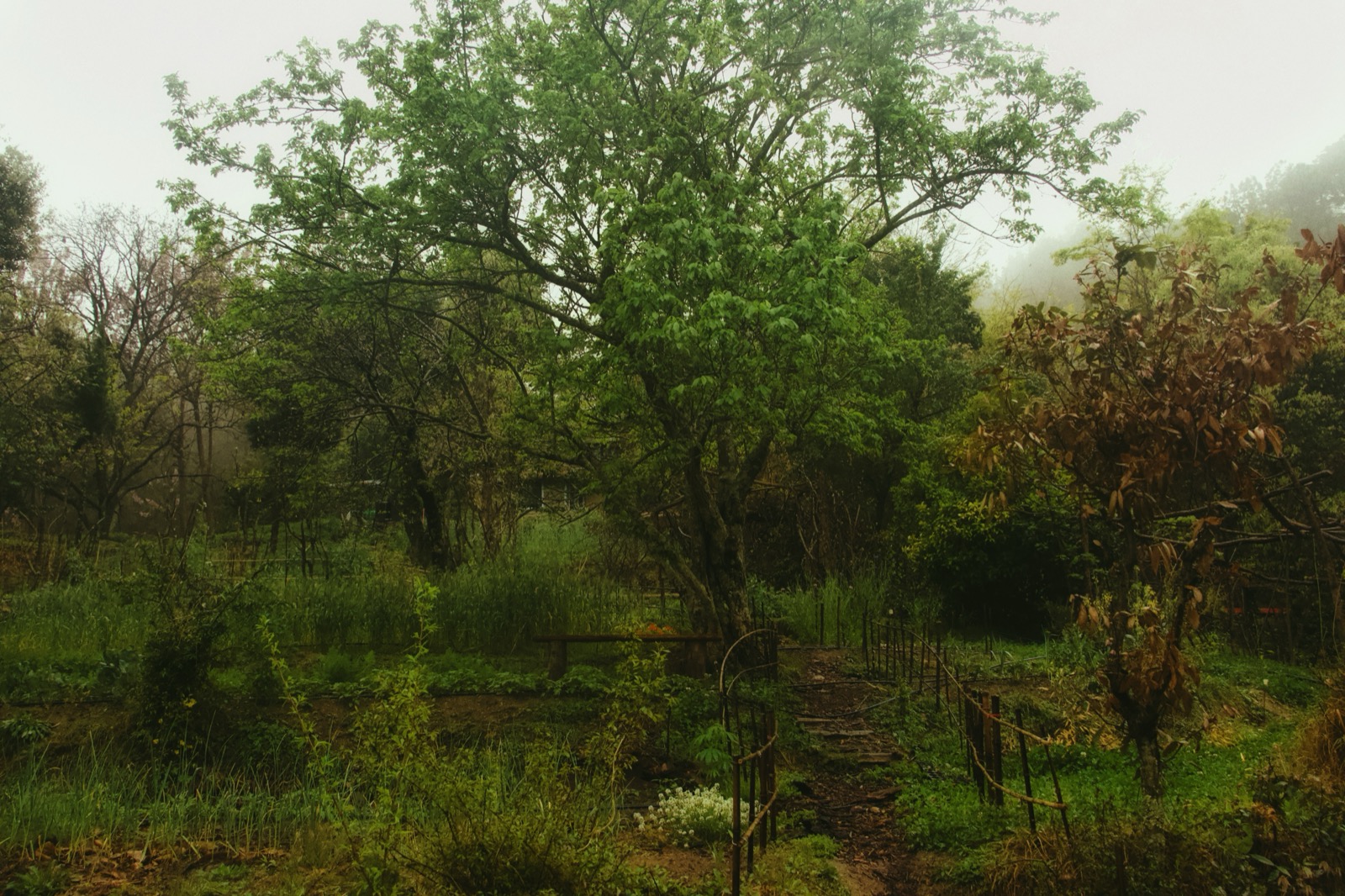
Food Forest Design for Beginners in India: Where to Start
A beginner's guide to food forest design for Indian conditions — what a food forest actually is, how to start one, and the most common mistakes to avoid in your first year.
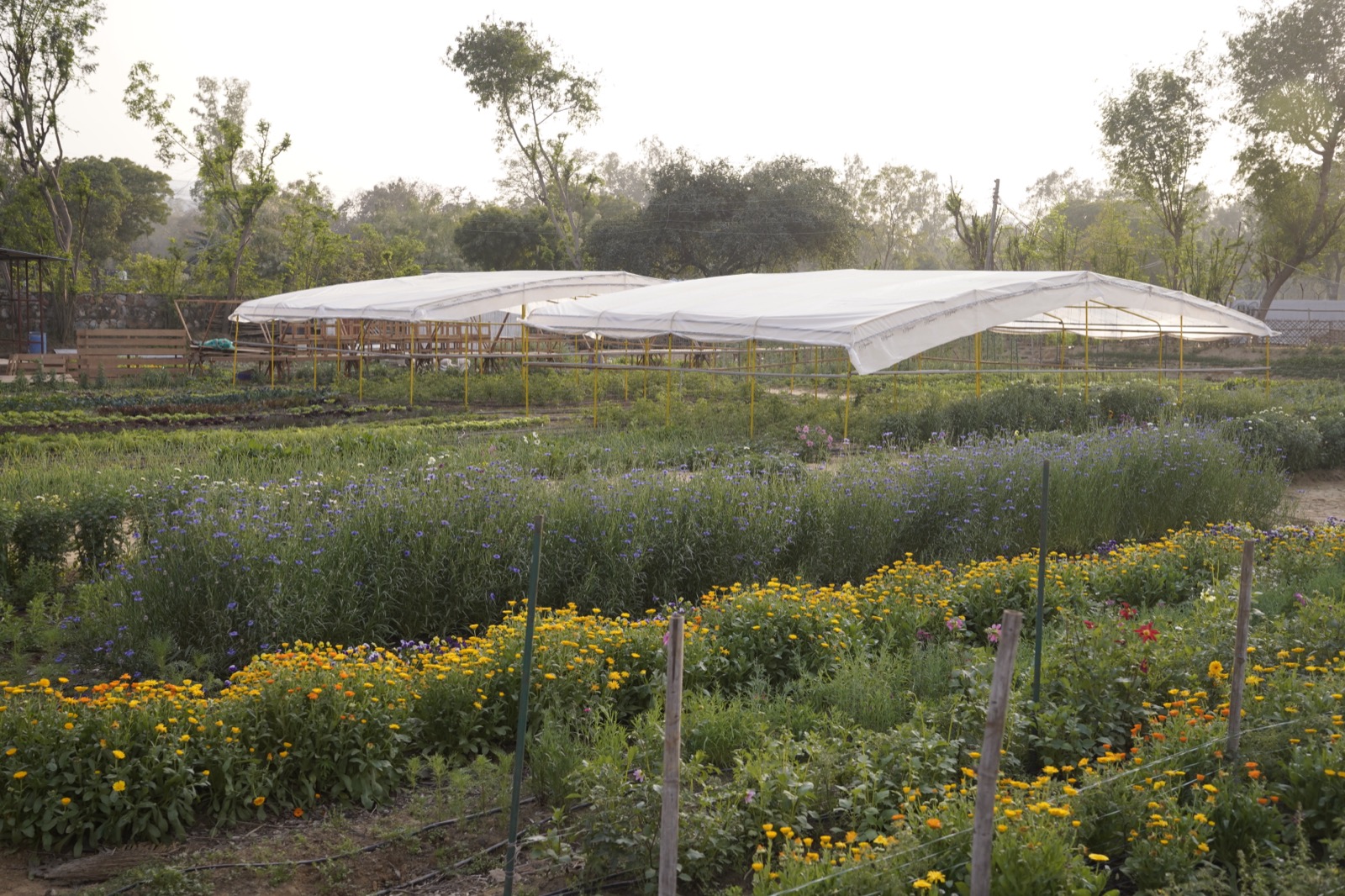
How to Set Up a Market Garden in India: A Practical Step-by-Step Guide
A practical, step-by-step guide to setting up a profitable market garden in India — from site selection and bed design to crop planning and finding your first buyers.
Want to put this into practice?
The workshop is five days of hands-on learning on a working Himalayan farm.